
Power-to-Heat: industrial electrification for energy-intensive industries
Decarbonise industrial heat with cost control and system intelligence
Heat as a system
Industrial heat is a network of production, distribution and demand. We approach it as an integrated energy system, not a boiler replacement.
Hybrid & electrified production
From gas boilers and CHP to electric boilers and heat pumps, the optimal pathway is often hybrid.
Competitive heat cost
Power-to-Heat only works with well-positioned electricity. We integrate on-site renewables to optimise heat cost per MWh_th.
Delivered as a service
We deliver heat per MWh_th through long-term, off-balance structures. No equipment purchase.
Heat as a system: your heat network is an energy architecture
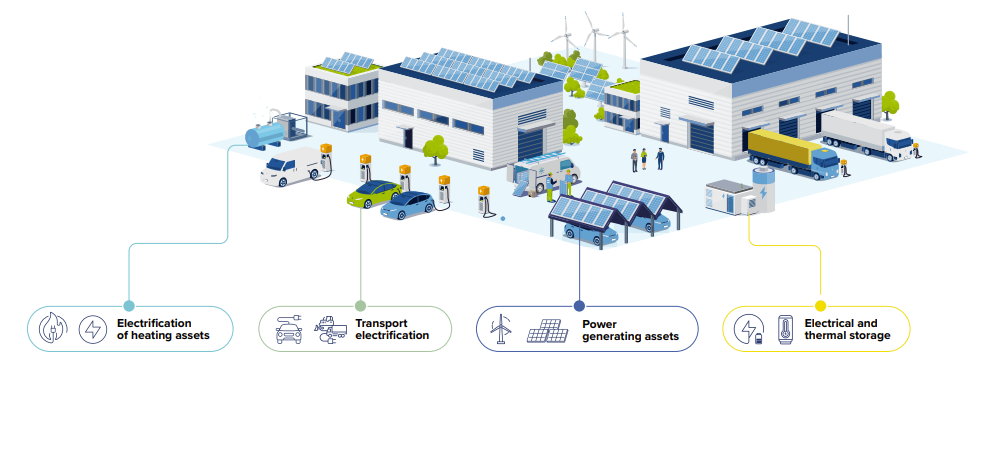
Most industrial sites operate mature steam or hot water networks, often built around gas boilers or CHP. Electrification adds new production assets, but real value comes from system integration: aligning electricity, thermal demand, storage and renewable generation within one optimised framework.
- Power-to-Heat becomes effective when treated as part of your full on-site energy architecture
From fossil baseline to hybrid optimisation
Industrial heat today is typically produced through gas boilers (~90% efficiency) and CHP installations. Electrification introduces electric boilers, high-temperature heat pumps and thermal storage.
- Electric boilers for steam and high-temperature needs
- High-temperature heat pumps for process heat up to 150°C
- Thermal storage for load shifting and process flexibility
- In many cases, hybrid configurations provide the most robust transition path, combining electric assets with existing gas capacity

Competitive electrons enable competitive heat
Power-to-Heat is fundamentally an electricity positioning strategy. PerPetum develops behind-the-meter renewable generation (solar, wind and storage) aligned with your consumption profile.
- Increased self-consumption of on-site PV
- Conversion of surplus renewable production into heat
- Reduced exposure to grid congestion
- Optimised €/MWh_th
- Where appropriate, maintaining part of the gas capacity can increase overall system feasibility
Heat as a controllable load
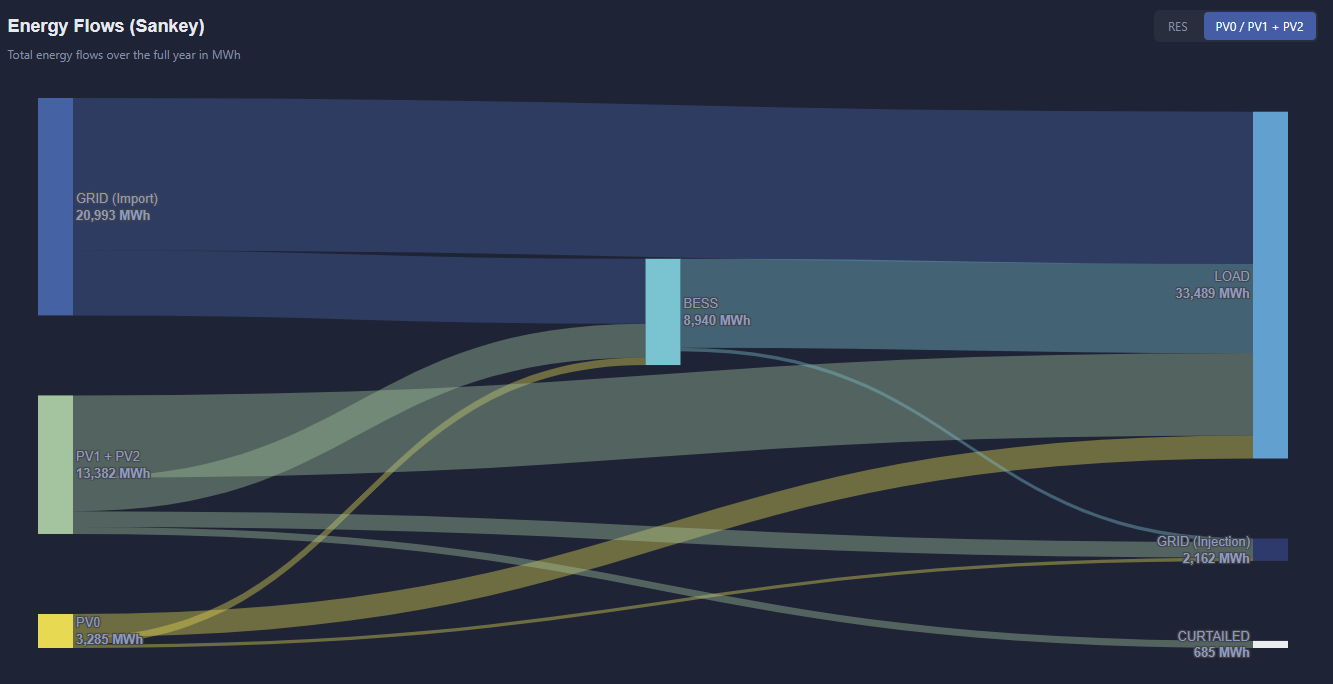
When integrated with storage and our Energy Management System, electrified heat becomes a flexible asset. The EMS continuously optimises dispatch between electric and gas assets, alignment with renewable generation, and load shifting in response to price signals.
- Dispatch between electric and gas assets optimised in real time
- Alignment with renewable generation profiles
- Load shifting in response to market and grid price signals
- Heat production contributes to overall site optimisation, rather than simply increasing electrical demand

Delivered as Heat-as-a-Service
We finance, build, operate and maintain everything, so you can focus on your core business.
We structure Power-to-Heat projects as long-term heat delivery solutions.
Heat per MWh_th
Pay for delivered heat, not equipment.
Off-balance financing
Energy-as-a-Service and PPA structures.
Full-scope delivery
Engineering, permitting, EPC, O&M and continuous optimisation.
Power-to-Heat as part of an integrated energy system
Power-to-Heat energy performs best when it's part of a broader system. All components work together to maximise self-consumption, flexibility and resilience.
Want to know what happens next? See how we turn multi-technology design into operational reality.
Our 5-step approachAssess your heat transition
If you are evaluating electrification or hybrid heat configurations, we are ready to explore the technical and economic implications together.