From temporary constraint to structural reality
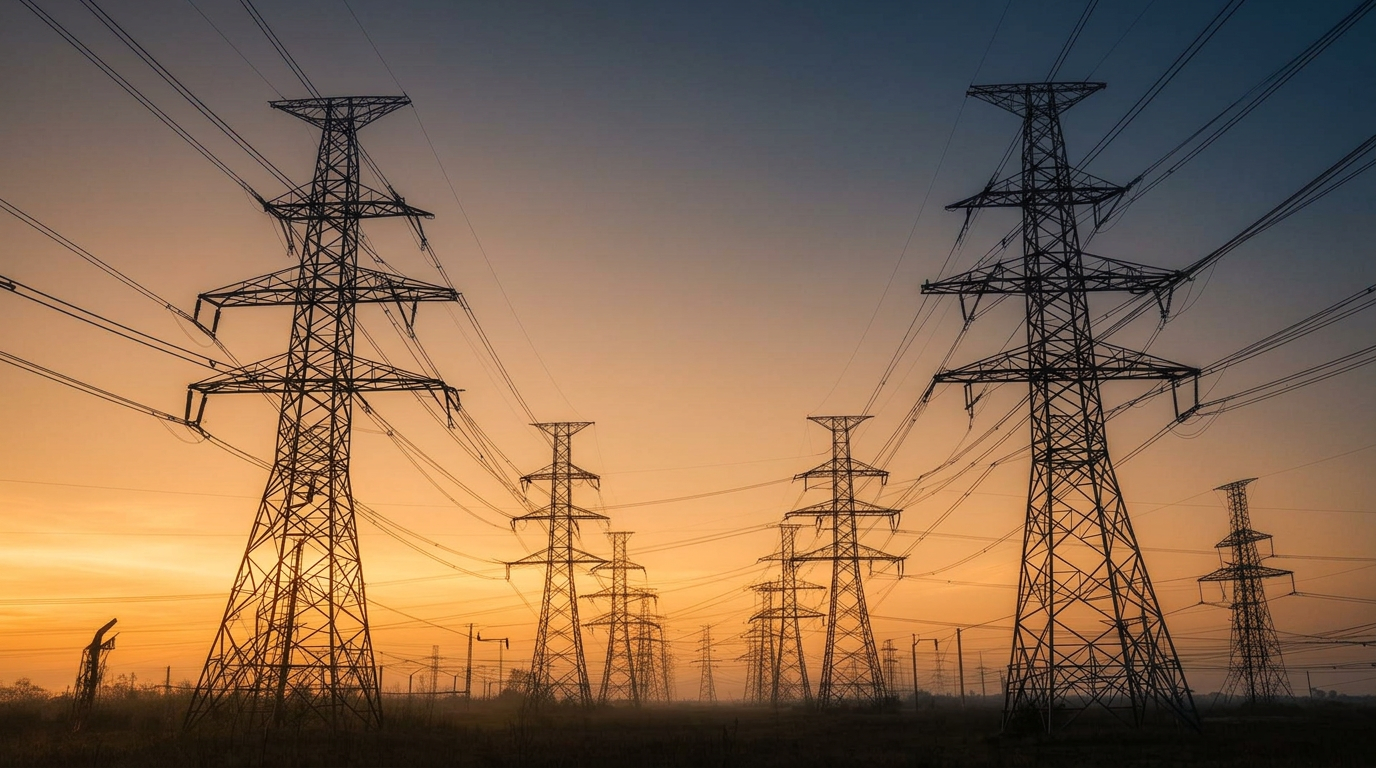
Grid congestion has become a recurring theme in energy discussions across Europe. Close to 700 GW of renewable and large-load projects wait in connection queues in the European countries that publish the data (Ember, 2026).
In the Netherlands, it already shows up in daily operations: limited grid capacity, delayed electrification projects and uncertainty around expansion. In Belgium, France and Germany, grid operators are preparing for it with flexible connection rules and queue reforms.
What initially felt like a temporary constraint now shapes long-term investment decisions. With electrification accelerating and electricity demand rising, grid capacity can no longer be treated as a given.
What grid congestion means in practice
Grid congestion occurs when the electricity network cannot accommodate additional demand or injection at certain locations or during specific periods.
Several long-term trends reinforce this situation:
- the electrification of industrial processes, mobility and heat
- rapid growth of decentralised renewable generation
- grid infrastructure that expands more slowly than demand and production
The result is a growing mismatch between how electricity systems were designed and how they are used today.
Why this directly affects industrial and large commercial sites
For organisations with high electricity demand, grid congestion translates into concrete operational constraints:
- limited or denied capacity upgrades
- delays in electrification projects, including heat and mobility
- higher peak-related tariffs and less predictable energy costs
- restrictions on exporting locally generated renewable electricity
These constraints affect the ability to combine decarbonisation, cost control and growth.
Why waiting for grid upgrades is rarely sufficient
The default response to grid congestion is often to wait for reinforcement. For energy-intensive sites, this rarely fits the planning horizon. Industrial companies report connection delays of two to ten years, even for small projects (E3G, 2026).
Investment decisions, production planning and climate targets keep moving in the meantime. Many organisations are therefore reassessing how dependent their operations need to be on external grid capacity.
Grid operators are opening a second route: flexible connections
This year, the rules have started to move. The EU's 2024 electricity market reform asks regulators to set up flexible connection agreements where grid capacity is limited. A site connects now and accepts that its capacity can be reduced at agreed moments.
Grid operators in our markets are putting this into practice, each in their own way. In Flanders, Fluvius offers companies their full requested capacity, with a temporary reduction when congestion threatens. Germany has a draft grid package that links new connections to flexible agreements where constraints are demonstrable.
A flexible connection works best for a site that can shift its load. That brings the question back to what happens on site.
See what you can still build when your connection is full
Reducing exposure through local flexibility
Sites that make progress in congested regions focus on local optimisation. They design their energy strategy around the connection they have, invest in on-site flexibility and treat grid constraints as part of the operating context.
How integrated energy systems help manage congestion
No single technology resolves grid congestion on its own. The impact comes from integration:
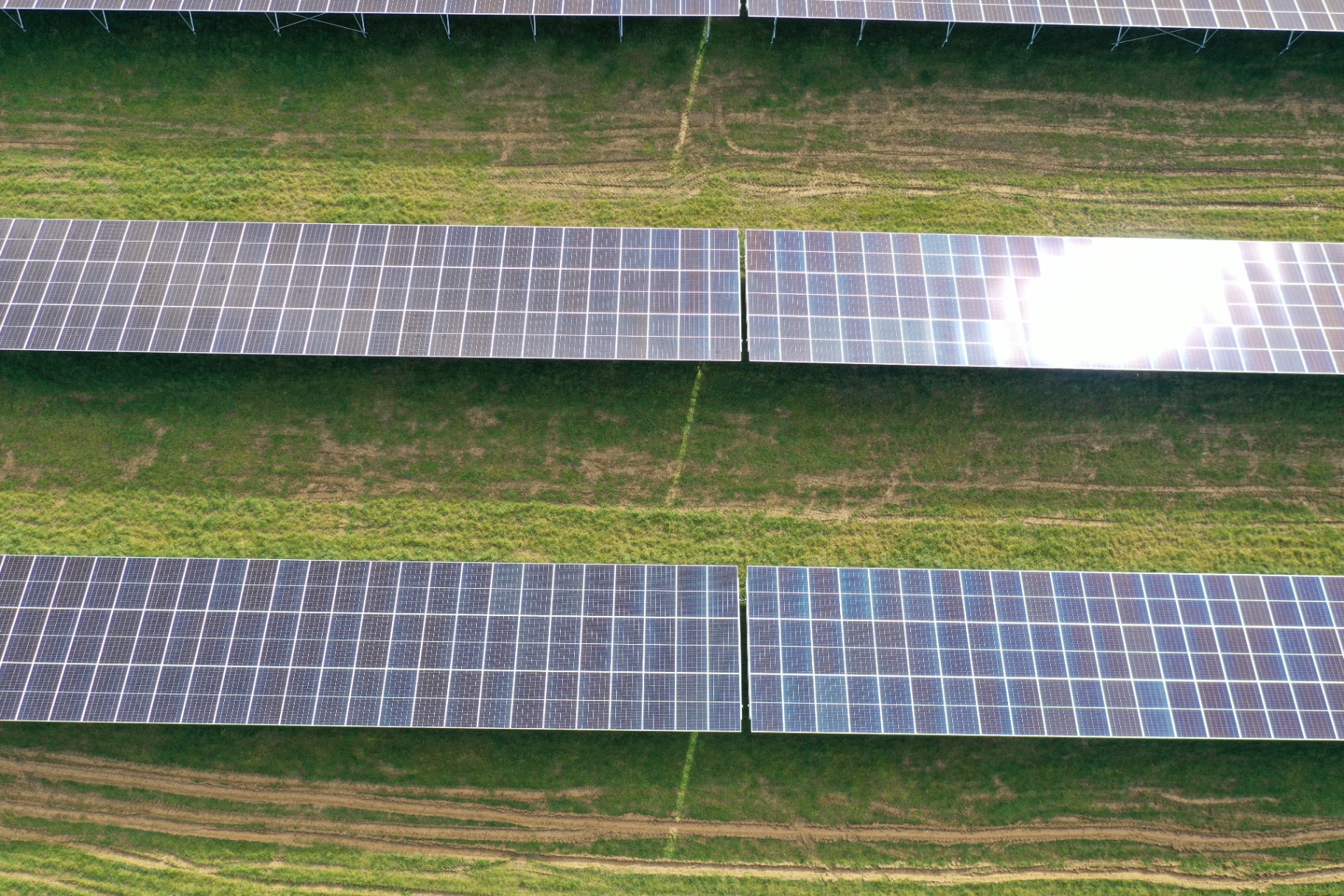
- On-site renewable generation reduces reliance on imported electricity.
- Battery energy storage (BESS) charges when electricity is cheap or abundant on site, and covers peaks when the connection reaches its limit.
- Electrified heat, through e-boilers or heat pumps, adds a large load that can be steered and buffered.
- Managed EV charging aligns charging with available capacity.
- An energy management system (EMS), the strategic backbone of the site, decides every quarter hour what runs, what charges and what waits, based on prices, forecasts and the connection limit.
Together, these elements let a site actively manage when and how electricity is consumed, stored or produced.
From constraint to operational resilience
Grid congestion is unlikely to disappear in the short term. In many regions, it is already part of the context in which energy decisions are made.
Companies that succeed in this environment share a common approach. They invest in flexibility early, reduce their exposure to grid constraints and design their energy systems around the site. They achieve more predictable energy costs, keep electrifying critical processes and strengthen operational resilience, also in constrained grid areas.
Delivered as Energy-as-a-Service, such a system requires no upfront investment and keeps capital available for the core business.